The story
Sony began in the aftermath of World War II, when Masaru Ibuka opened an electronics shop in Tokyo in 1946. He was soon joined by Akio Morita, and together they established Tokyo Tsushin Kogyo (Tokyo Telecommunications Engineering Corporation). Their initial capital was ¥190,000, and they started with just eight employees. The company's first product was an electric rice cooker, followed by Japan's first tape recorder, the Type-G.
Morita and Ibuka envisioned global success and sought a short, easy-to-pronounce brand name. They chose "Sony," a blend of the Latin word "sonus" (sound) and "sonny," a 1950s American slang term for a young boy. The first Sony-branded product, the TR-55 transistor radio, appeared in 1955, though the company officially changed its name to Sony in 1958. This decision to use Roman letters for the company name was unconventional in Japan at the time.
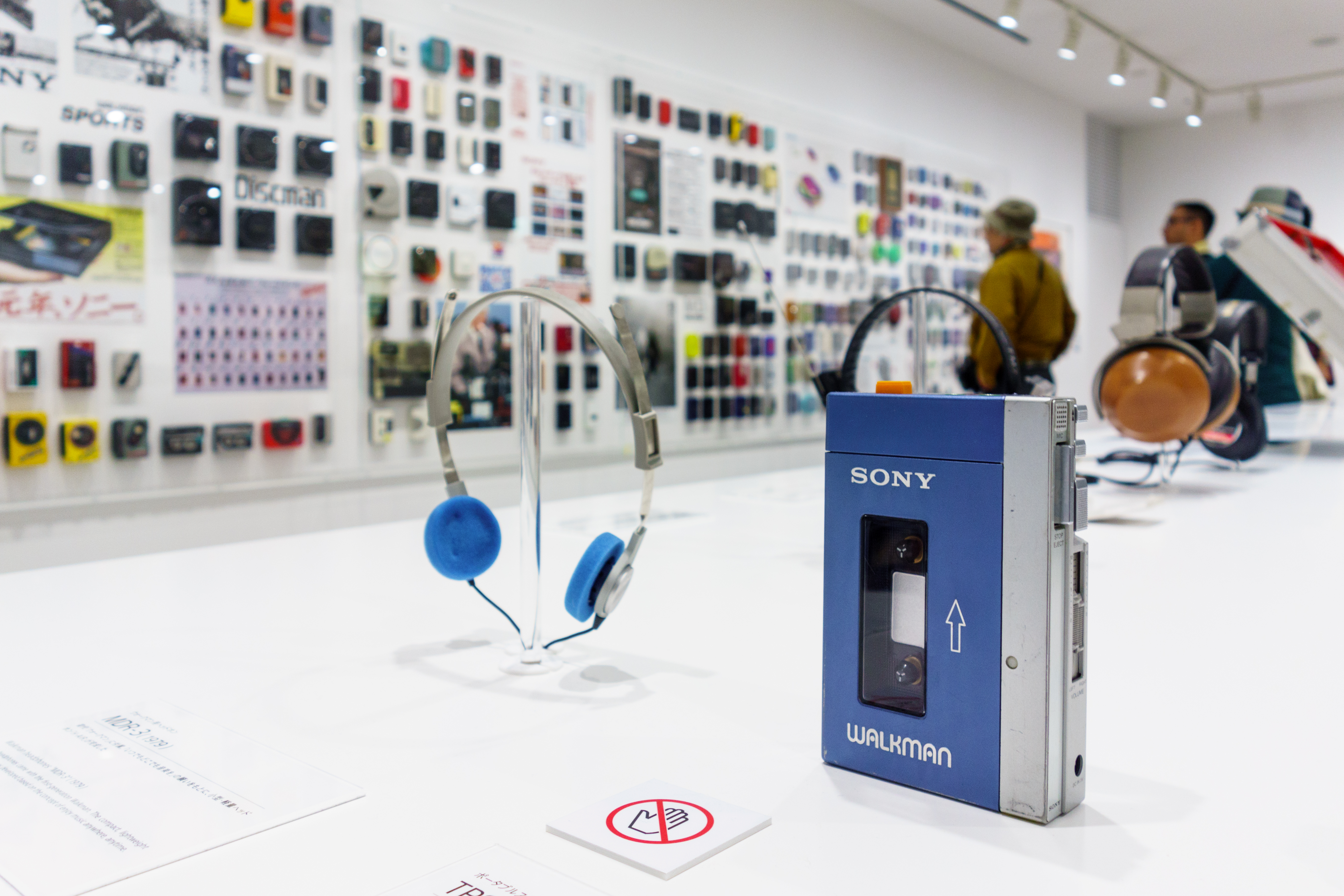
Sony quickly gained recognition for innovative products like the TR-55 transistor radio and the CV-2000 home video tape recorder, playing a significant role in Japan's post-war economic recovery. Under Akio Morita's leadership, the company grew into a global brand known for pioneering consumer electronics, with landmark products including the Trinitron color television, the Walkman portable audio player, and their co-development of the compact disc.
Challenges along the way
Sony faced significant struggles, particularly in the early 1980s when electronics sales dropped during a global recession, forcing price cuts and leading to sharp profit declines. Analysts even concluded, "It's over for Sony." Later, aggressive expansion into diverse businesses like film and music in pursuit of "convergence" proved unrewarding and unprofitable, threatening both product premiums and the brand itself. The company endured a period of bureaucratic management and internal "silos" operating in isolation, leading to years of financial losses and requiring major restructuring efforts, including job cuts and selling off peripheral businesses.
Major milestones
- 1946Masaru Ibuka and Akio Morita establish Tokyo Tsushin Kogyo (later Sony) in Tokyo.
- 1955The TR-55 transistor radio becomes the first product branded "Sony."
- 1958Tokyo Tsushin Kogyo officially changes its name to Sony Corporation.
- 1960Akio Morita founds Sony Corporation of America, beginning global expansion.
- 1975Sony launches the Betamax video format, entering the VCR market.
- 1979The iconic Walkman portable audio player is introduced.
- 1983Sony and Philips jointly announce the Compact Disc (CD) format, revolutionizing audio.
- 1989United States PatentFig. 6Companded predictive encoding for compact disc (early CD tech)US 4,872,151Read filing ↗
- 1994Sony enters the home video game console market with the launch of the PlayStation.
Prototypes & people



Currently stocked