IBM
"Enterprise systems and quantum."
The story
IBM's roots extend back to the late 19th century with several key technological innovations. In 1911, these disparate manufacturers of record-keeping and measuring systems, including products from Julius E. Pitrap (computing scale), Alexander Dey (dial recorder), Herman Hollerith (electric tabulating machine), and Willard Bundy (time clock), were amalgamated by Charles Ranlett Flint to form the Computing-Tabulating-Recording Company (CTR). This union, initially focusing on a range of machinery from commercial scales to punched-card tabulators, aimed to consolidate efforts in the burgeoning field of business machines.
Thomas J. Watson, Sr., joined CTR in 1914, bringing with him pioneering business practices from the National Cash Register Company. He instilled a strong sales culture, emphasized customer service, and fostered company pride, famously popularizing the slogan "THINK." Under his leadership, CTR's revenues and international presence grew significantly. Recognizing the need for a more expansive identity, Watson oversaw the renaming of the company to "International Business Machines" in 1924, a name previously used by CTR's Canadian division, solidifying its future as a global technology giant.
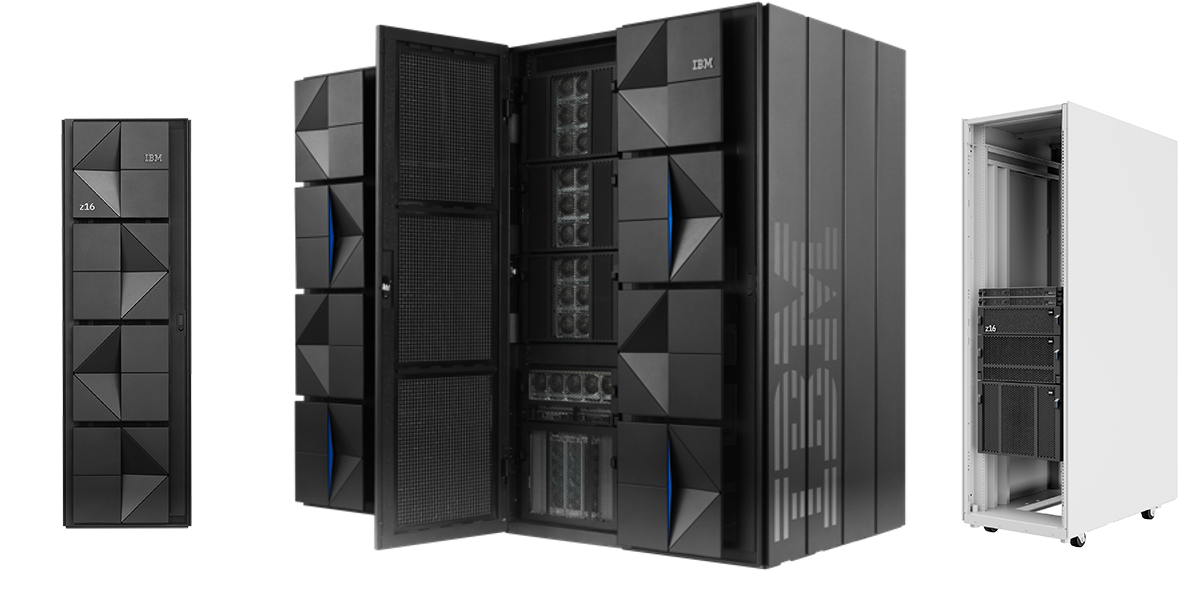
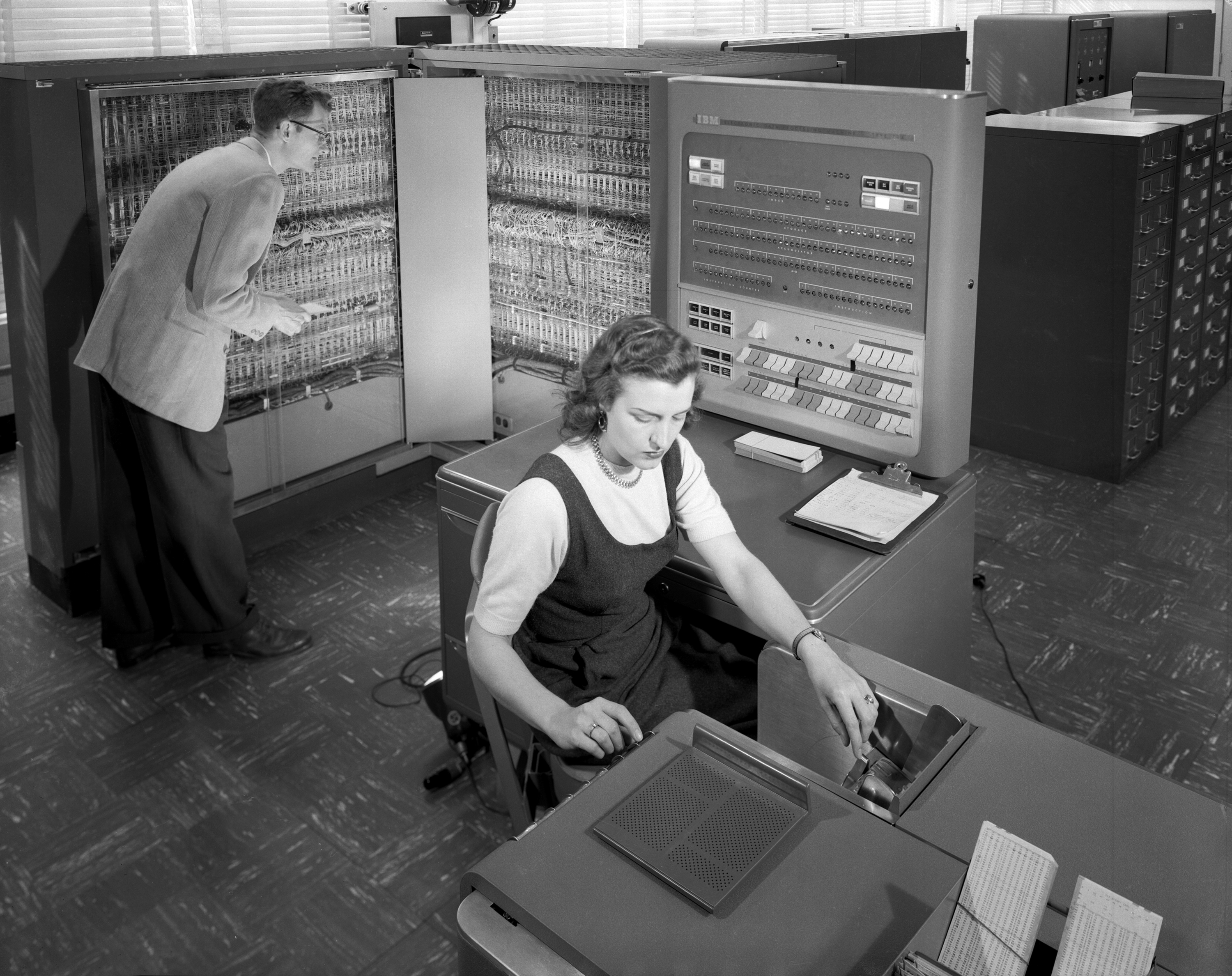
An early breakthrough came with their dominance in punch-card tabulating systems. Later, the IBM mainframe, particularly the System/360 and its successors in the 1960s and 70s, established IBM as the world's leading computing platform. This foundational work laid the groundwork for their ventures into personal computing and beyond, cementing their place as a titan of innovation.
Challenges along the way
IBM faced significant challenges, including a major antitrust lawsuit from the United States government starting in 1969, alleging monopolization of the general-purpose electronic digital computer system market. Although the case was eventually dropped, it prompted IBM to unbundle its software and services, inadvertently fostering a competitive software market. Additionally, IBM's foray into the personal computer market with the IBM PC in 1981, while initially successful, led to a loss of market dominance due to the open architecture and rapid rise of compatible competitors. This, combined with an $8 billion loss in 1993, necessitated a significant restructuring and a shift in focus from commodity hardware to services and software.
Major milestones
- 1911Computing-Tabulating-Recording Company (CTR) formed from the amalgamation of four companies.
- 1924CTR renamed "International Business Machines" (IBM).
- 1952Offered the first commercial stored-program computer, the vacuum tube based IBM 701.
- 1956Demonstrated the first practical example of artificial intelligence and introduced the hard disk drive.
- 1964Launched the IBM System/360, the first family of computers designed to cover a complete range of applications.
- 1981Entered the microcomputer market with the IBM Personal Computer (IBM 5150), profoundly influencing personal computing.
- 1989United States PatentFig. 4Method of automatic generation of a computer for numerical simulation of physical phenomenonUS 4,819,161Read filing ↗
- 1997IBM's Deep Blue chess computer defeated then-world champion Garry Kasparov.
- 2005Sold its personal computer business to Chinese technology company Lenovo.
Prototypes & people


Currently stocked