Fitbit
"Everyday fitness tracking."
The story
Fitbit began its journey in San Francisco, California, on March 26, 2007, under the name Healthy Metrics Research, Inc., co-founded by CEO James Park and CTO Eric Friedman. Later that year, in October 2007, the company rebranded itself as Fitbit, Inc. Their vision was to create wireless-enabled wearable technology that monitored physical fitness and activity, including smartwatches and pedometers, along with related software.
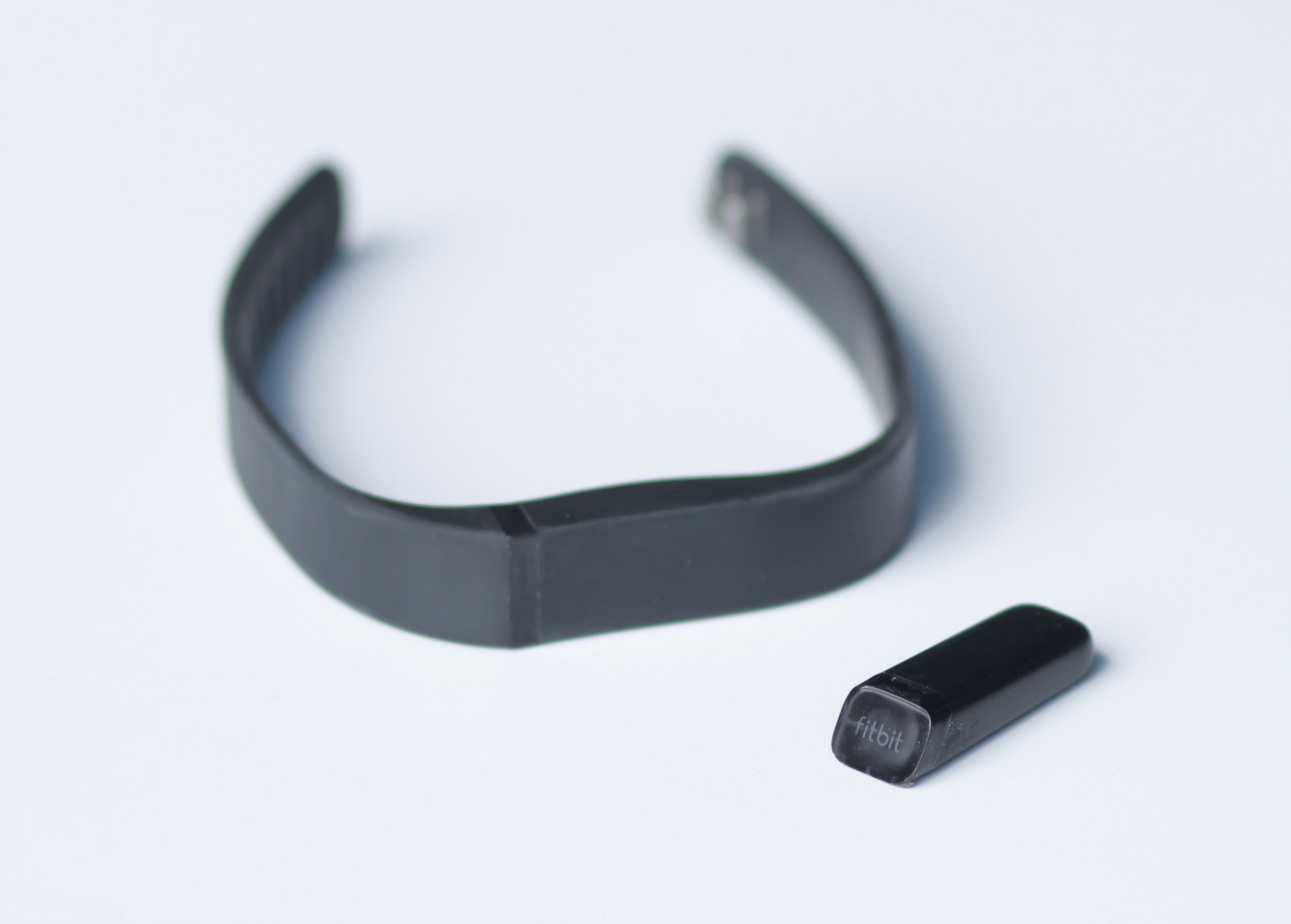
The company's first product, the Fitbit Tracker, was launched in 2009, marking their entry into the burgeoning personal health tracking market. By 2012, Fitbit expanded its offerings to include activity trackers accompanied by a website and a mobile app for various platforms. This ecosystem allowed users to log food, activities, and weight, set goals, and connect their devices via Bluetooth, fostering a community aspect where users could challenge and motivate each other. This early integration of hardware and software, coupled with a social element, was a significant breakthrough in making activity tracking accessible and engaging to a wide audience.
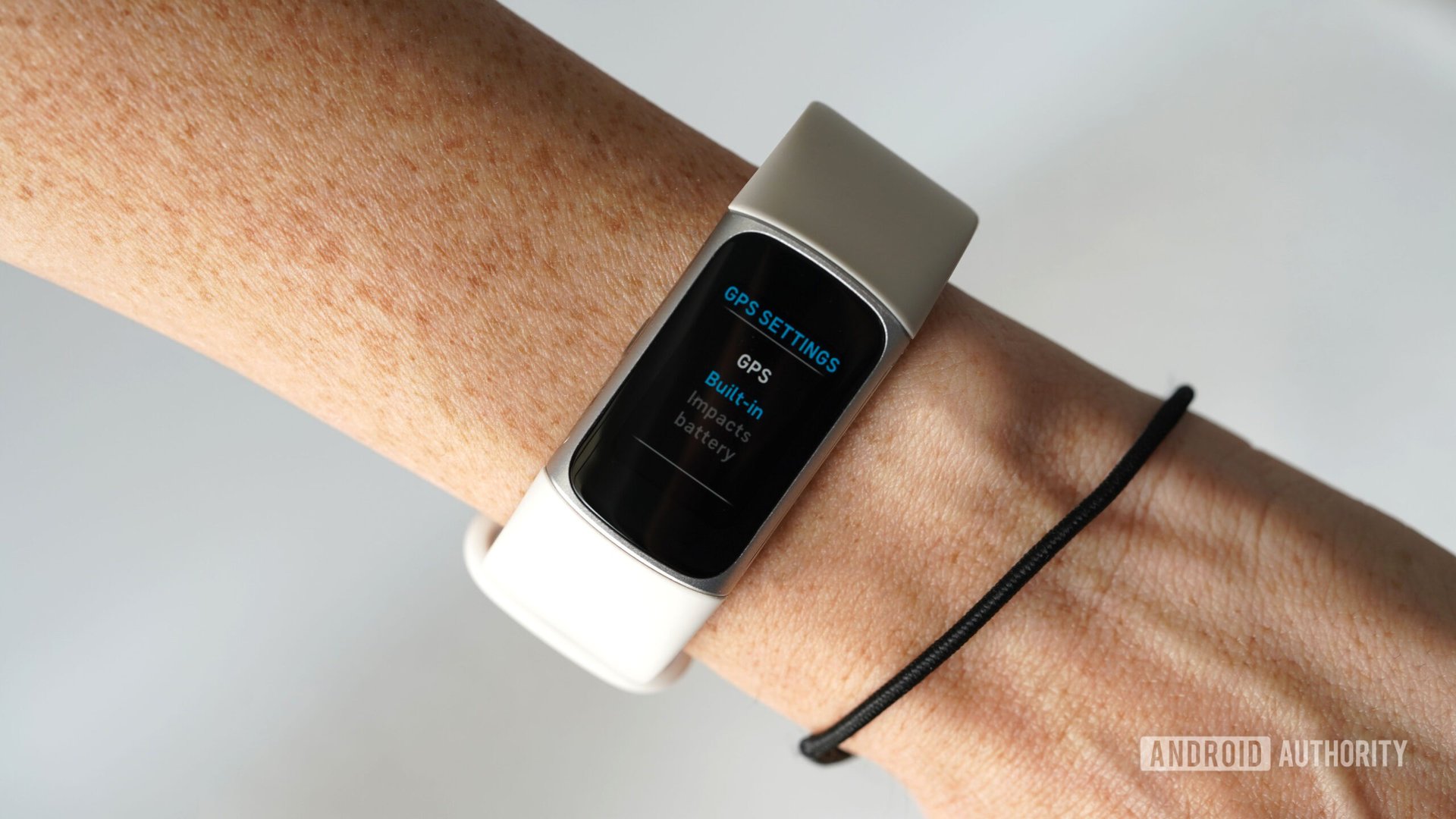
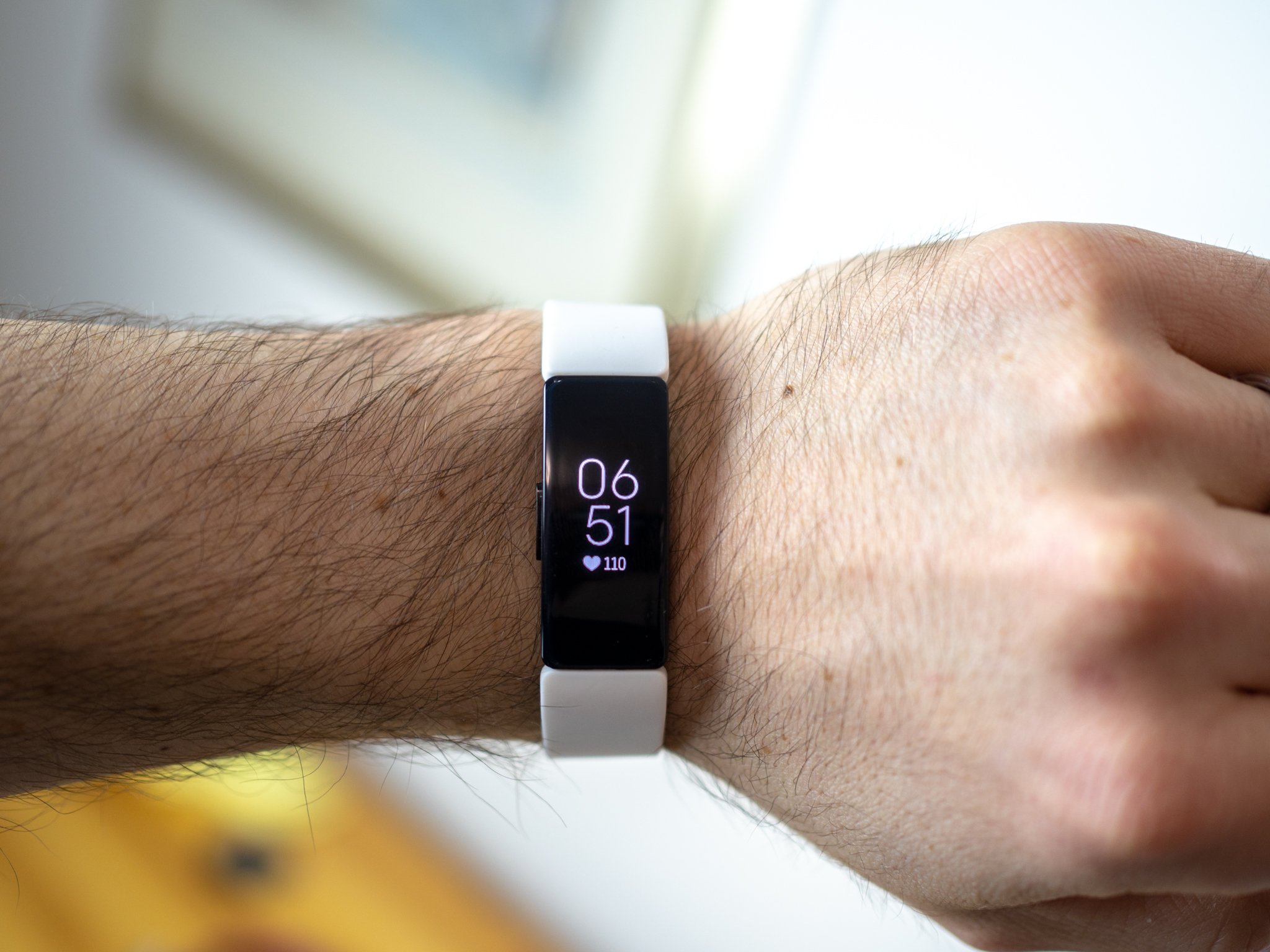
Over the years, Fitbit continued to innovate, introducing smartwatches like the Fitbit Ionic in 2017 and diversifying its product line to include devices with advanced health metrics like stress sensing, oxygen saturation, and skin temperature. This consistent drive to enhance their technology and user experience cemented Fitbit's position as a leader in wearable technology, culminating in its acquisition by Google in 2021, and demonstrating its enduring impact on digital healthcare.
Challenges along the way
Fitbit encountered several challenges throughout its history, including a trademark lawsuit in 2015 from Fitbug, which Fitbit successfully defended. More significantly, the company faced product recalls over safety concerns, such as the Fitbit Force in 2014 due to allergic reactions and, more critically, the Ionic smartwatch in 2022 due to overheating batteries causing burns, leading to a substantial civil penalty. The acquisition by Google also brought scrutiny regarding data privacy, with regulators and users expressing concerns about how personal health data would be handled and whether it could be used for targeted advertising or sold to health insurance companies. These issues highlighted ongoing challenges in product safety, intellectual property, and user trust within the rapidly evolving wearable technology market.
Major milestones
- 2007Healthy Metrics Research, Inc. founded by James Park and Eric Friedman, later renamed Fitbit, Inc.
- 2009Launch of the first product, the Fitbit Tracker.
- 2012United States PatentFig. 19Portable monitoring devices and methods of operating sameUS 8,180,591Read filing ↗
- 2015Acquired Fitstar, a fitness coaching app developer, and became a public company via initial public offering.
- 2016Acquired assets from smartwatch company Pebble for $23 million.
- 2017Released its first smartwatch, the Fitbit Ionic.
- 2021Acquired by Google for $2.1 billion and incorporated into its hardware division.
- 2022Issued a voluntary recall of 1.7 million Ionic smartwatches due to battery overheating issues.
- 2024Google changed the brand name to Google Fitbit and discontinued Fitbit smartwatches to focus on Pixel Watch.
Prototypes & people