The story
Dyson's story began in the 1970s when James Dyson, frustrated with his Hoover Junior vacuum cleaner losing suction, discovered the issue lay in the clogging of the dust bag. This pivotal moment led him to explore alternative solutions. Inspired by large industrial cyclone systems used in sawmills, he adapted the concept to a household scale, realizing its potential to extract dust without clogging. After initial experiments with a cardboard model, Dyson embarked on an intense period of prototyping.
Between 1979 and 1984, in a shed behind his house, he meticulously developed 5,127 prototype designs. Despite this dedication, he struggled to find a licensee in the UK or America, likely due to the existing vacuum bag market's profitability, which his bagless design threatened. His breakthrough came in 1985 when a Japanese company, Apex Ltd., licensed his design. The reworked version, the G-Force, launched in Japan in 1986 and sold for the equivalent of US$2,000, becoming a status symbol and winning an International Design Fair prize in 1991. The income from this Japanese license finally enabled James Dyson to establish Dyson Appliances Limited in 1991, paving the way for the production of his innovative vacuum cleaners under his own brand.
Challenges along the way
Dyson faced significant challenges in its early years, primarily the reluctance of established manufacturing companies, such as Hoover, to license James Dyson's revolutionary bagless cyclonic technology. This resistance stemmed from the threat his design posed to the lucrative disposable vacuum bag market. Even after securing a Japanese license and establishing his own company, Dyson encountered production issues, including quality control concerns with an American manufacturer, forcing him to quickly set up a new supply chain and production facility. Later, the company faced controversy and job losses when it moved vacuum cleaner and washing machine production to Malaysia to reduce costs, drawing criticism from trade unionists.
Major milestones
- 1979James Dyson begins developing over 5,000 prototypes for a cyclonic vacuum cleaner.
- 1986Dyson's cyclonic design, the G-Force, is licensed and sold in Japan.
- 1986United States PatentFig. 13Vacuum cleaning appliance (dual cyclone)US 4,593,429Read filing ↗
- 1991James Dyson establishes Dyson Appliances Limited, using income from the Japanese license.
- 1993The first dual-cyclone vacuum cleaner under the Dyson name, the DA 001, is produced.
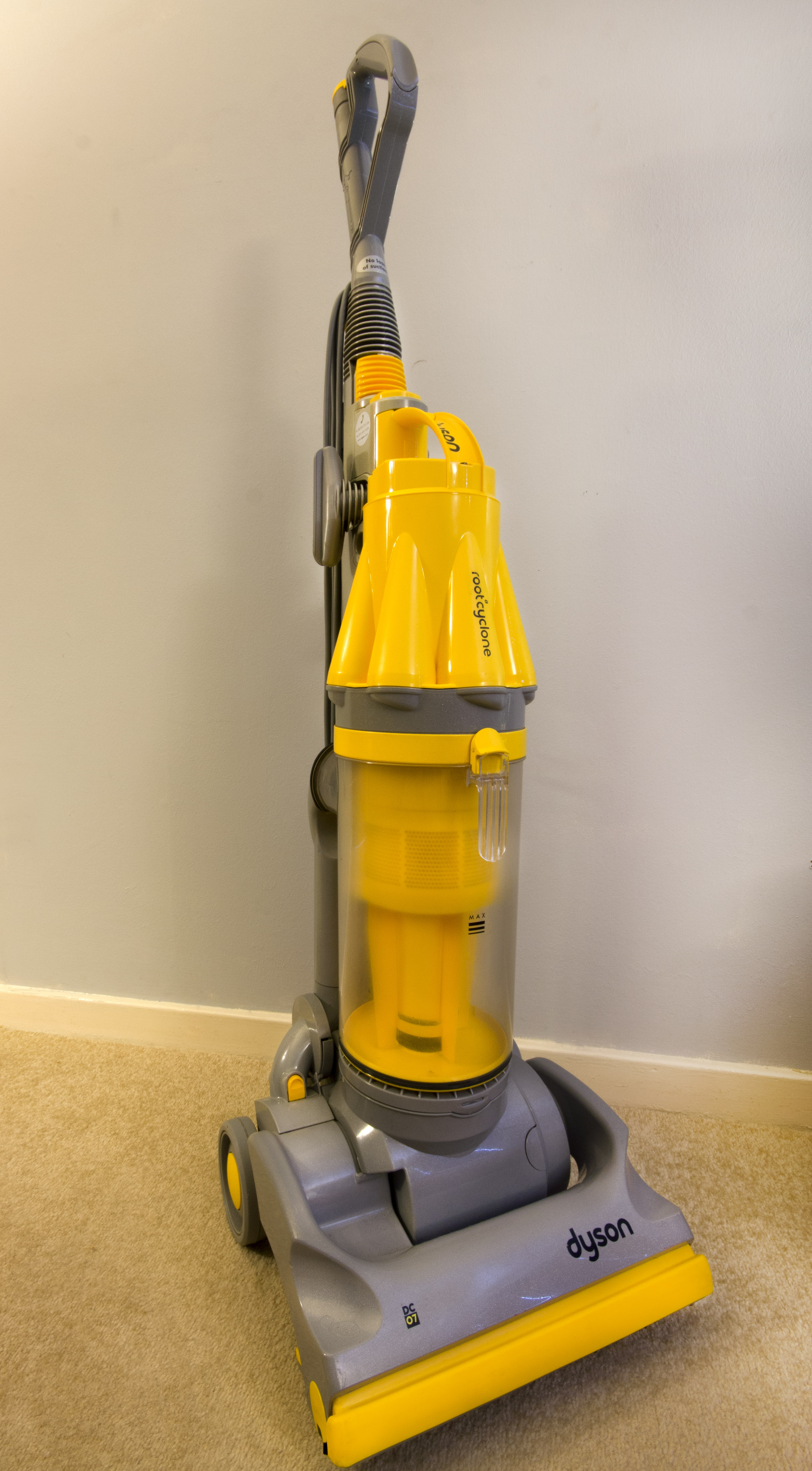
- 2001The company name is shortened to Dyson Ltd.; the DC07, with "Root Cyclone" technology, is launched.
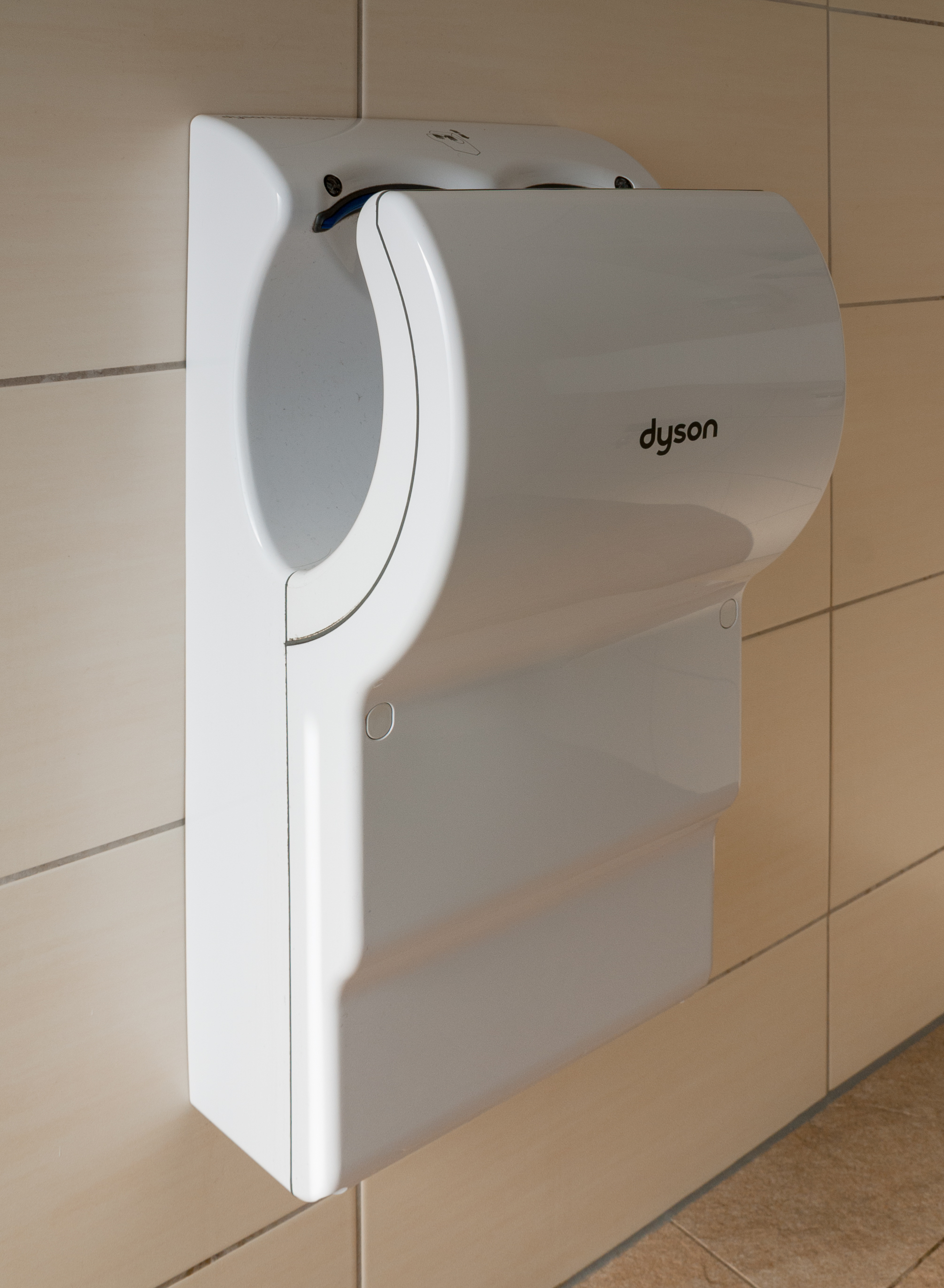
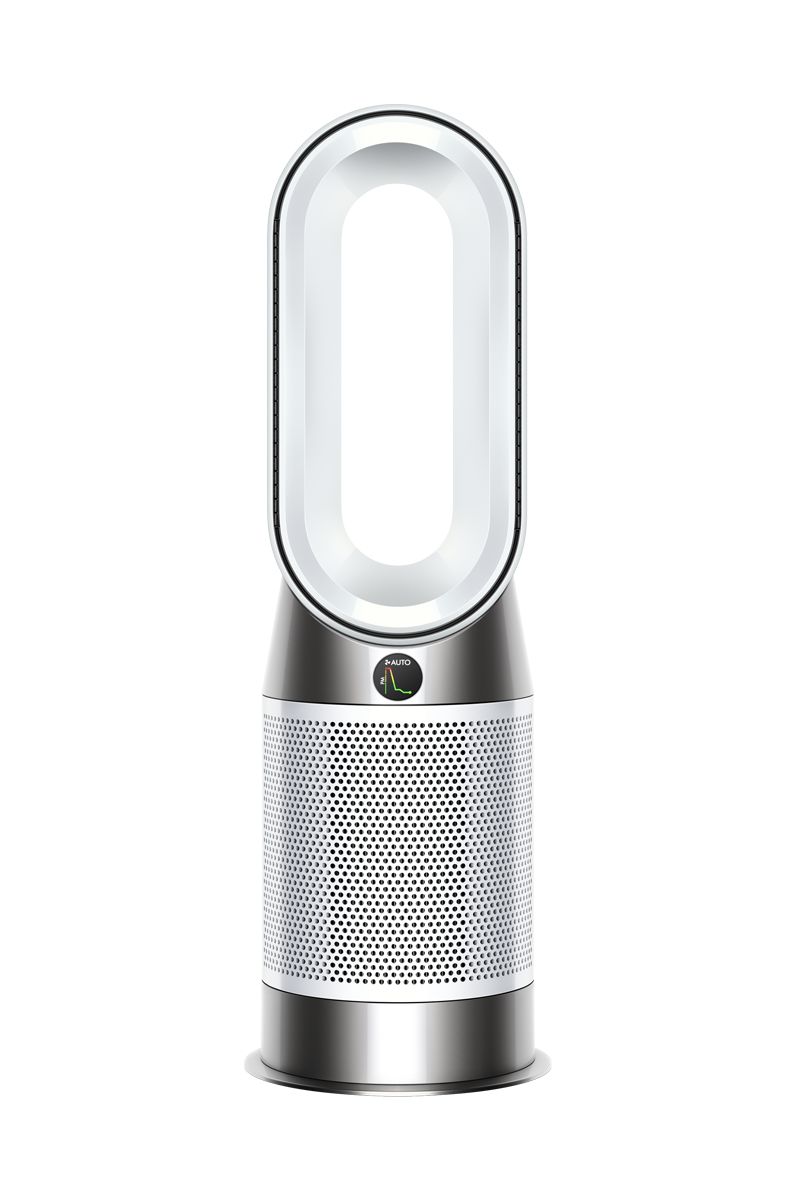
- 2009Dyson expands into new technologies, launching the Airblade hand dryer and Air Multiplier fan.
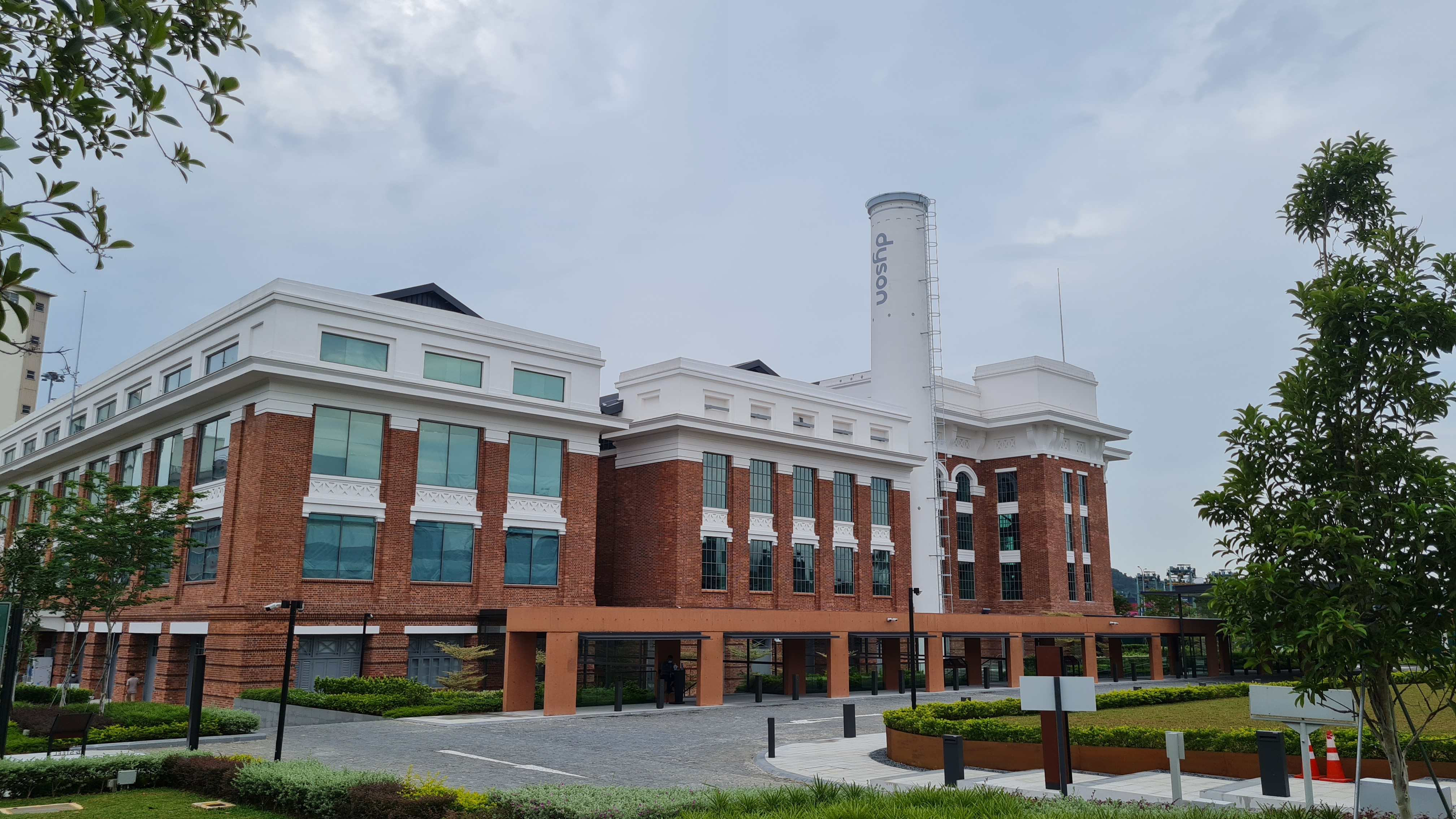
- 2019Dyson announces plans to move its global headquarters to Singapore.
Prototypes & people